
Most problems at work start with a cluttered mind.
Disengagement, poor productivity, good people running on empty. We’ve seen all of it up close, and it nearly always leads back to the same place: a person who isn’t firing on all cylinders.
That person usually has a cluttered mind. Everything competes for their attention, the same thoughts run round and round, and there’s no room left to notice what is actually going on inside them. Underneath it sits a lack of awareness and a lack of presence.
At the root of suffering is a lack of awareness and a lack of presence. We become the emotion, which we are not. When you’re aware and present, you can helicopter out of that loop.
The greatest gift an organisation can give its people is access to themselves.
Most of our waking hours go to work, and work often comes home with us in our heads. By the nature of the work people do for us, we take them away from themselves.
Giving that back isn’t a nice-to-have. We see it as a responsibility every organisation carries.
So here’s our gift back to our people: a system of awareness. And then everybody wins.
Awareness, on both sides.
nørma gives that awareness to your people and to you. Each side sees what it needs to, and nothing more.
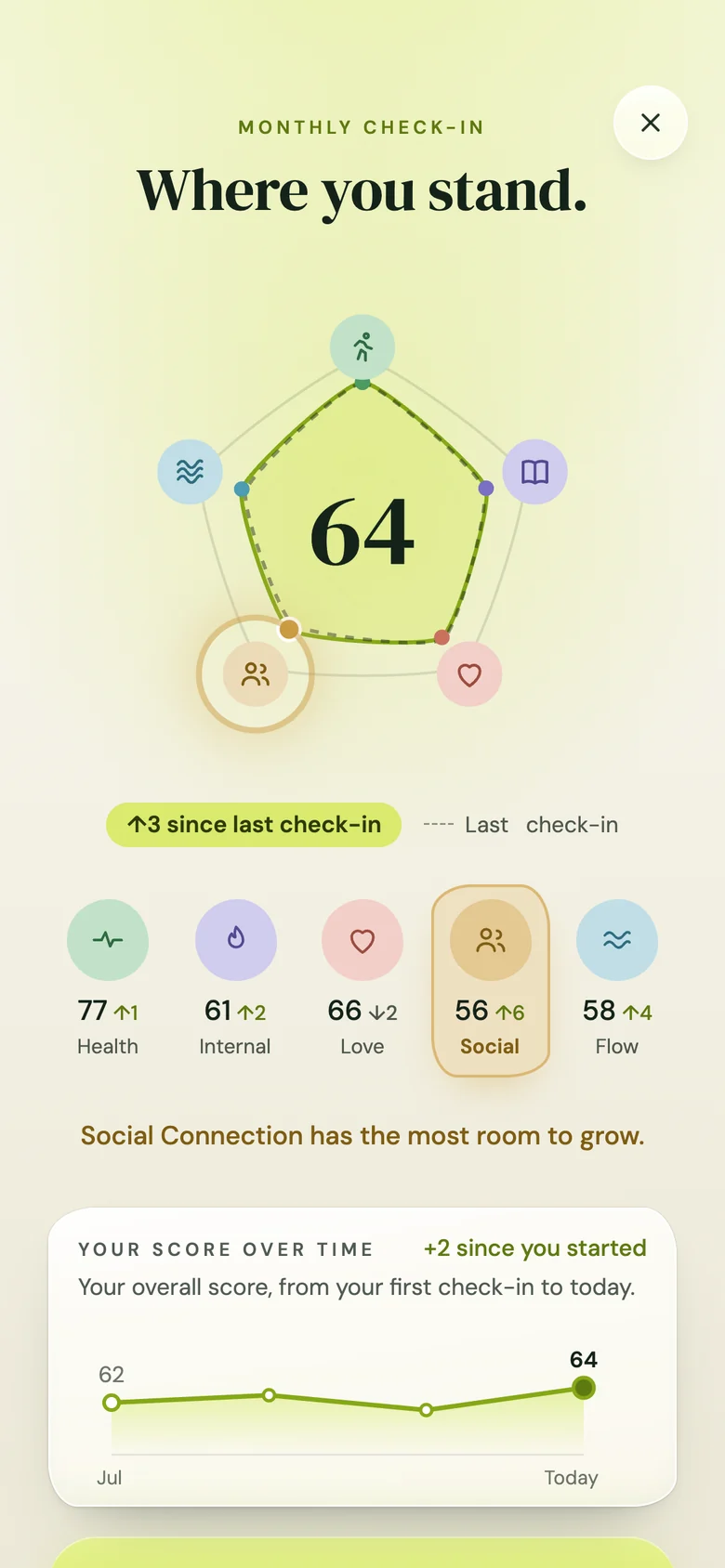
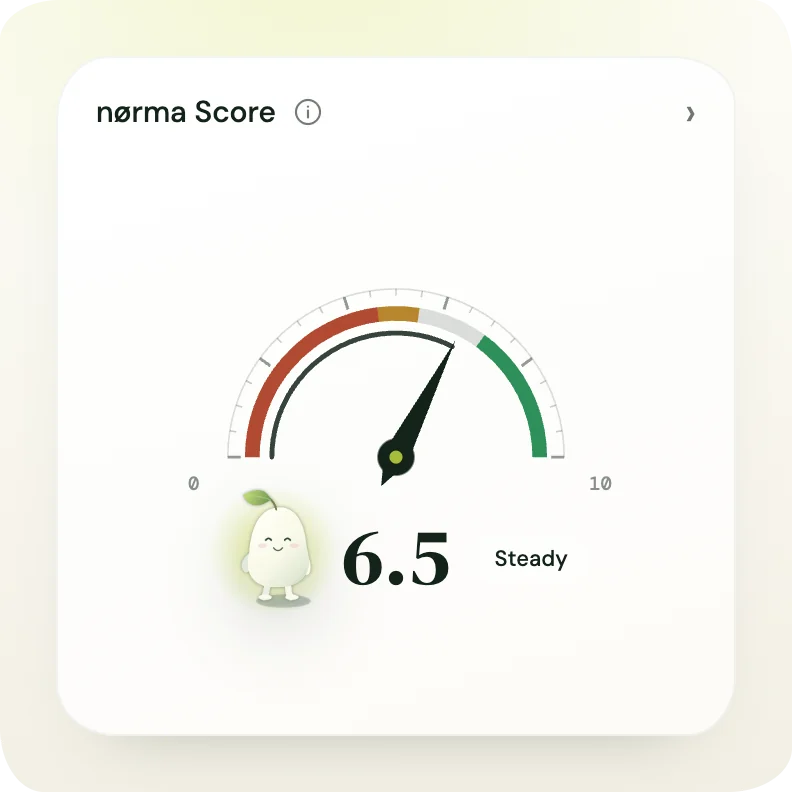
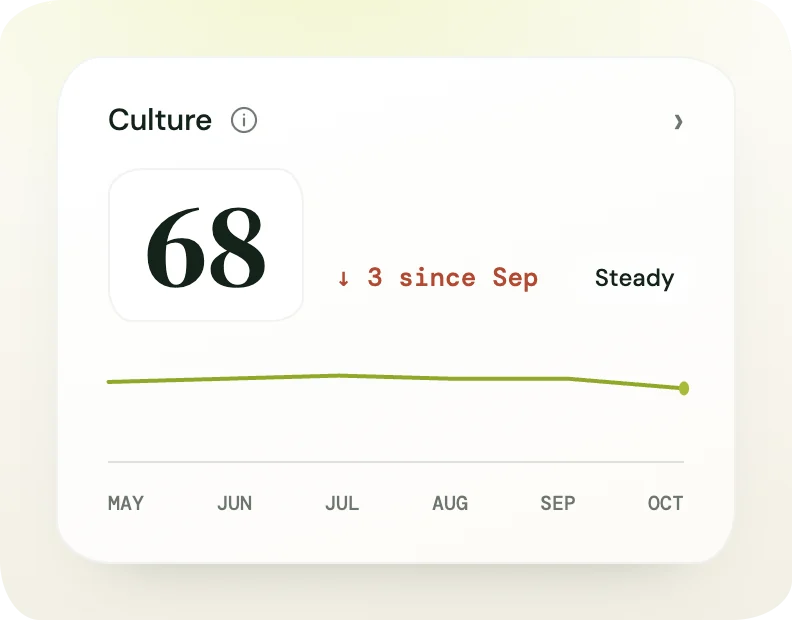
Your people get access to themselves. You get a clear view of your culture. That’s what we mean by everybody wins.
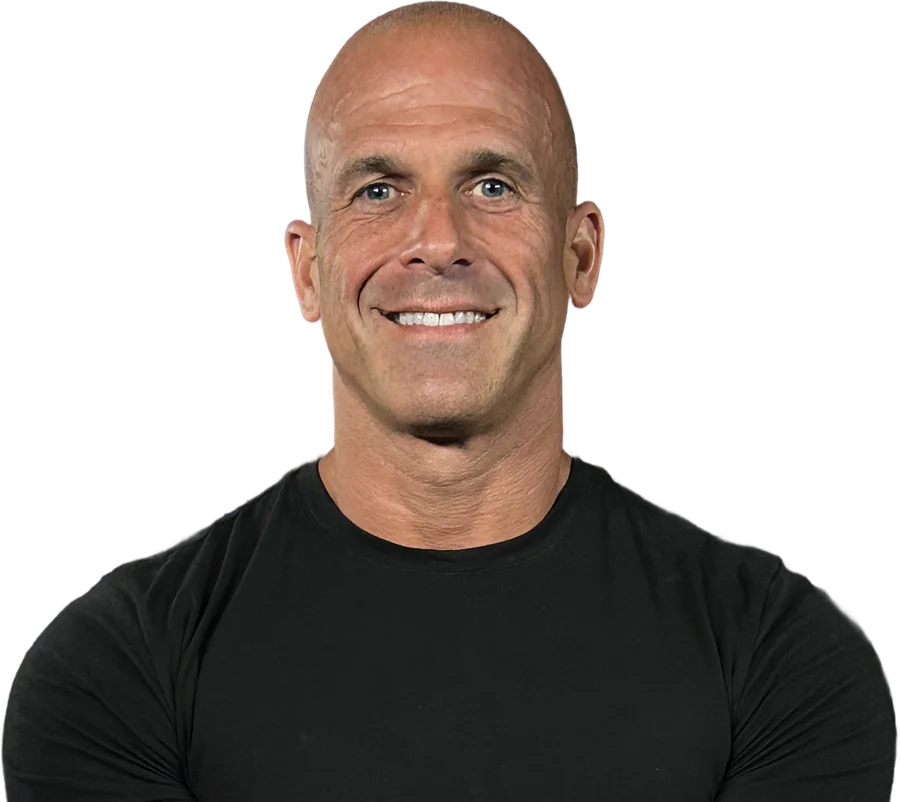
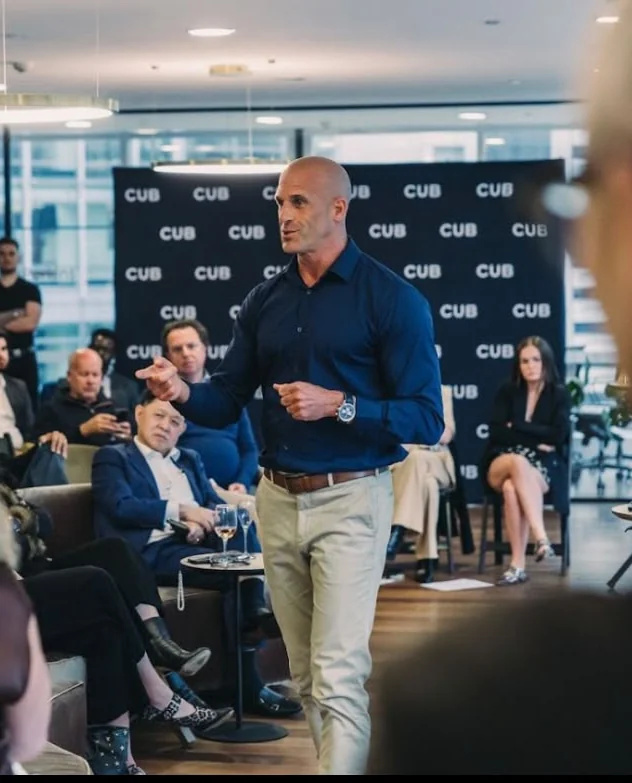
Leading people since he was seventeen.
Ian Williams stepped into his first leadership role at seventeen, growing up in Liverpool. Since then he has spent more than thirty years leading teams in some of the world’s largest organisations, across three continents.
Today he’s the founder and CEO of The Artistry of Humanity, the team behind nørma, and works with leadership teams as a consultant, facilitator and speaker. The thinking on this page is what he brings into those rooms.
Three things came together in one word.
The carpenter’s square
In Latin, norma is the carpenter’s square, the tool that shows whether a corner is true. It’s where the word norm comes from. nørma does the same for people: it shows them where they truly stand.
A line through the norm
The ø puts a line through the norm. In German it’s also the sign for an average. Busy, distracted and running on empty has become normal at work, and we don’t accept that as the standard.
Norma
nørma is also named after a real person: Ian’s mum, Norma. She’s the most resilient person he knows, and a real inspiration for the values that shape everything nørma stands for.

Give your people access to themselves.
Thirty minutes with the team behind nørma. We’ll show you the app your people use and the dashboard you’d use alongside it.